
Rozental Colony is a historic settlement of Mennonites located in the right-bank district of modern-day Zaporizhzhia, Ukraine. Mennonites were members of one of the religious Protestant communities that took their name from Menno Simons, a Dutch religious leader.
The Mennonites had small factories, mills, workshops, and were involved in silk production in addition to agriculture. They placed special emphasis on the education and upbringing of their children, and were known for their hard work and fidelity to moral and ethical norms.
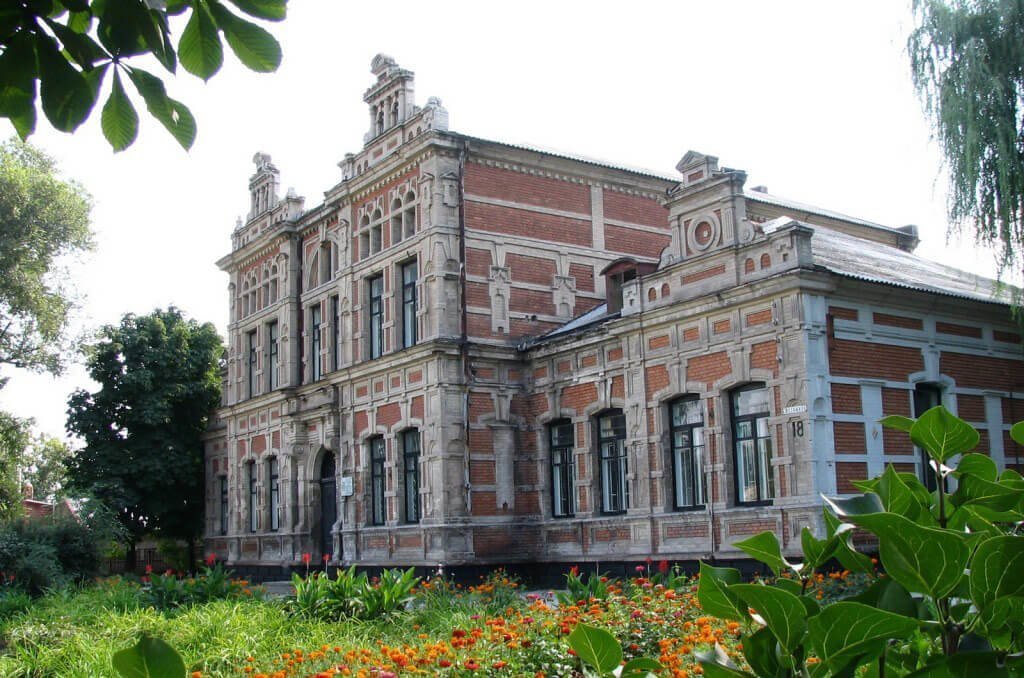
Founded in 1789, Rozental Colony was one of the first Mennonite settlements in Ukraine at the time. Its complex of buildings is unique works of architecture. The majority of the buildings from the late 19th to the early 20th centuries are done in the Jugendstil style (German understanding of Art Nouveau). One of the prominent examples of this style in Verkhnya Khortytsa is the Valman Castle, which was built in the early 20th century by local industrialist A. Valman to house a kindergarten. The "castle" is perfectly integrated into the landscape of a steep slope of a ravine.
The Mennonite teacher training school and girls' school buildings are also done in the Jugendstil style, located near a small square. In the square itself, a monument to the Mennonites who became victims of Stalinist repression and religious persecution in the 1930s was unveiled in 2009. In the early 20th century, the first nature conservation society in Ukraine and the Russian Empire was created on the territory of the colony, which was located in the building of the Mennonite girls' school.


 Share on Facebook
 Share on X